The Importance of Play: Why Unstructured Time Still Matters
Child Development
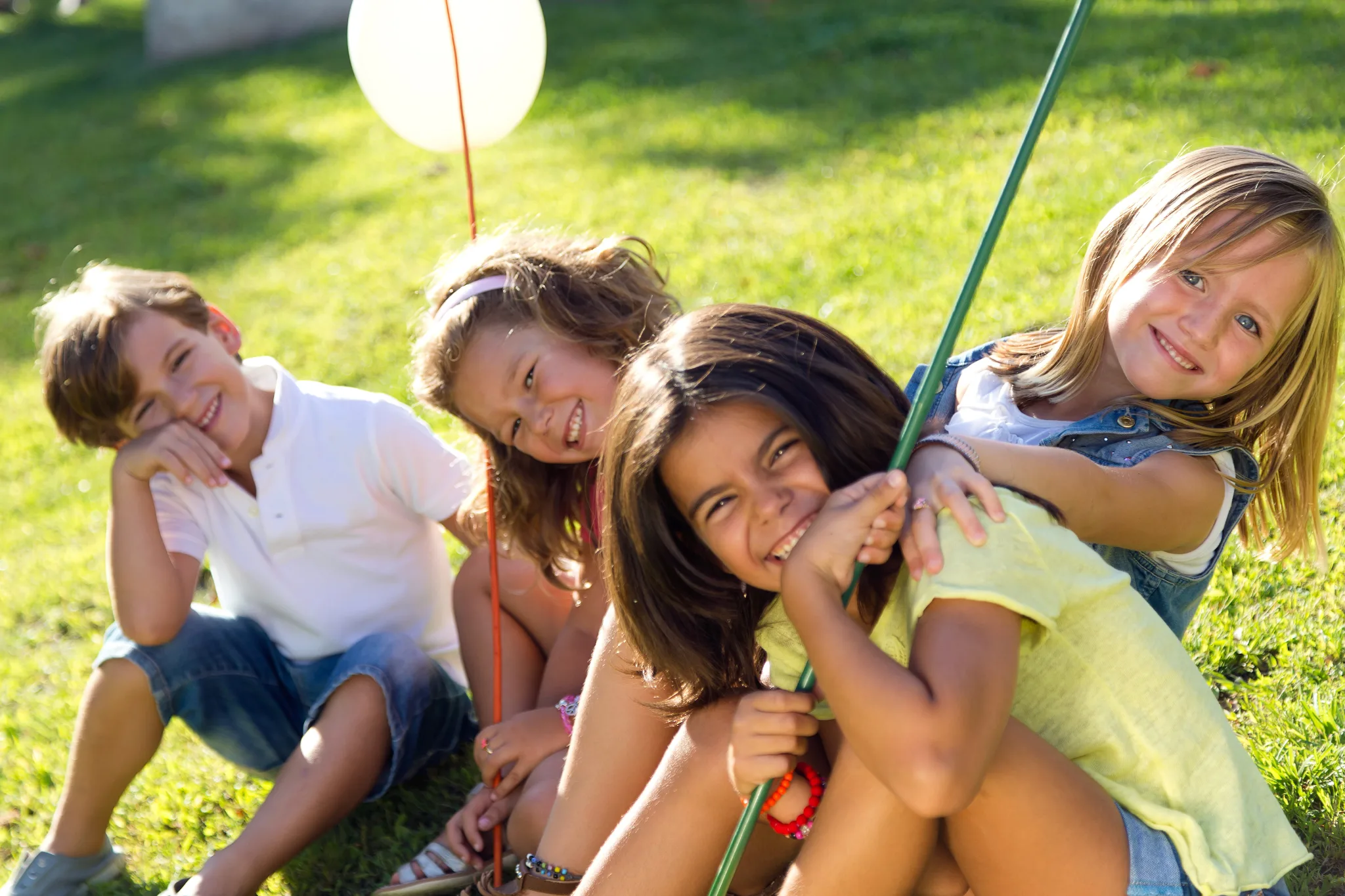
We live in a world that loves a schedule. Children's lives are often packed with structured learning, organised sports, and screen-based entertainment — leaving very little room for the kind of play that isn't leading anywhere in particular. But research consistently shows that unstructured play is not a reward for finishing the real work. It is the real work.
What Happens When Children Just Play
When a child is given open space, time, and freedom — without an adult directing the outcome — something remarkable happens. They invent. They negotiate. They fall out and make up. They develop the very skills that no worksheet can teach.
Creative Thinking: Without a script, children invent their own stories, rules, and worlds — building imaginative capacity that serves them for life.
Emotional Regulation: Play gives children a safe space to feel big emotions and learn how to manage them on their own terms.
Risk and Resilience: Small physical and social risks in play teach children that they can handle challenges — and recover when things go wrong.
The Pressure to Always Be Productive
Many parents feel a quiet guilt when their children are 'just playing.' In an achievement-focused culture, idle time can feel like wasted time. But neuroscience tells a different story — the brain consolidates learning, processes emotion, and builds executive function during unstructured, self-directed play.
Let Boredom Breathe: Boredom is the doorway to creativity. Resist the urge to fill every quiet moment.
Step Back: When children play independently, the instinct to intervene is natural — but holding back builds their problem-solving capacity.
Prioritize Outdoor Time: Nature-based play has unique benefits for attention, stress reduction, and physical development.
"Play is the highest form of research. It is how children make sense of a world that is still too large to fully understand."
Play Is Written Into Our Day
At Maple Street Kids, free play is not something that happens if there's time left over. It is built into every afternoon — indoors and outdoors — because we know that a child who has played freely is a child who is ready to learn, connect, and grow. It is not a break from development. It is development.


The Importance of Play: Why Unstructured Time Still Matters
Child Development
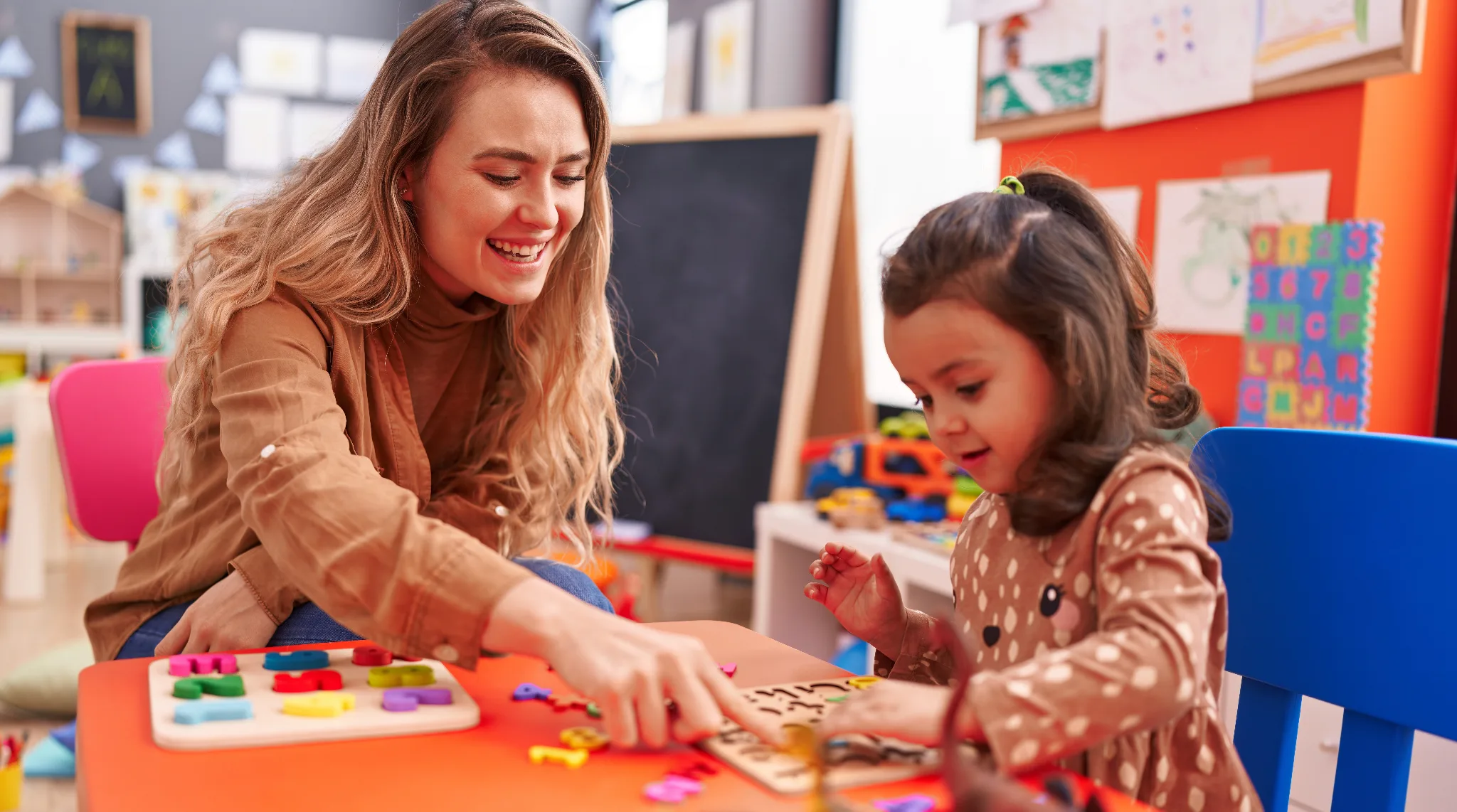
We live in a world that loves a schedule. Children's lives are often packed with structured learning, organised sports, and screen-based entertainment — leaving very little room for the kind of play that isn't leading anywhere in particular. But research consistently shows that unstructured play is not a reward for finishing the real work. It is the real work.
What Happens When Children Just Play
When a child is given open space, time, and freedom — without an adult directing the outcome — something remarkable happens. They invent. They negotiate. They fall out and make up. They develop the very skills that no worksheet can teach.
Creative Thinking: Without a script, children invent their own stories, rules, and worlds — building imaginative capacity that serves them for life.
Emotional Regulation: Play gives children a safe space to feel big emotions and learn how to manage them on their own terms.
Risk and Resilience: Small physical and social risks in play teach children that they can handle challenges — and recover when things go wrong.
The Pressure to Always Be Productive
Many parents feel a quiet guilt when their children are 'just playing.' In an achievement-focused culture, idle time can feel like wasted time. But neuroscience tells a different story — the brain consolidates learning, processes emotion, and builds executive function during unstructured, self-directed play.
Let Boredom Breathe: Boredom is the doorway to creativity. Resist the urge to fill every quiet moment.
Step Back: When children play independently, the instinct to intervene is natural — but holding back builds their problem-solving capacity.
Prioritize Outdoor Time: Nature-based play has unique benefits for attention, stress reduction, and physical development.
"Play is the highest form of research. It is how children make sense of a world that is still too large to fully understand."
Play Is Written Into Our Day
At Maple Street Kids, free play is not something that happens if there's time left over. It is built into every afternoon — indoors and outdoors — because we know that a child who has played freely is a child who is ready to learn, connect, and grow. It is not a break from development. It is development.